
 |
 |
 |
 |
 |


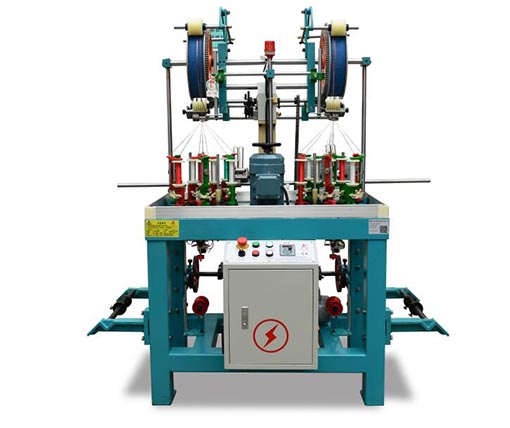
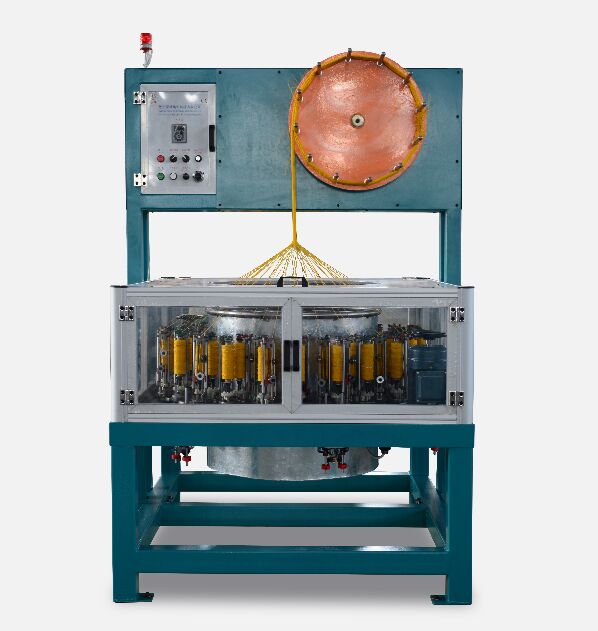
A cable braiding machine is an industrial device that weaves metal wires or textile yarns around an electrical cable or wire harness. While it looks very similar to the hose braiding machines used for rubber, its primary purpose is usually electromagnetic shielding (EMI/RFI) and mechanical protection rather than internal pressure resistance.
1. Primary Functions
In the world of electronics and power distribution, braiding serves three main roles: EMI/RFI Shielding: The woven mesh (usually copper or tinned copper) acts as a "Faraday cage," preventing external electrical noise from interfering with the signals inside and stopping the cable itself from emitting radiation. Mechanical Protection: A stainless steel or nylon braid protects the sensitive internal conductors from abrasion, cuts, and environmental wear. Grounding: The braid can serve as a high-surface-area grounding path, which is more flexible than a solid wire.
2. Types of Cable Braiding Machines
A. High-Speed Wire Braiders
These are the workhorses for producing coaxial cables and shielded data cables. They operate at extremely high speeds, using small bobbins of fine copper or aluminum wire.
B. Wire Harness Braiders
Unlike a single cable, a harness has multiple "legs" or branches. These machines are often larger and can accommodate complex, bulky bundles. They are essential for automotive and aerospace wiring where hundreds of wires must be kept together and protected from engine heat and vibration.
C. Flat Braiding Machines
Some machines are designed to produce a "flat" braid (without a core). These are used for grounding straps or flexible busbars, providing a large surface area for electricity to flow while allowing the strap to bend and twist easily.
Components of a Cable Braider
The Track Plate: The circular path where the carriers move. For cables, these are often horizontal to save ceiling space and handle long, heavy reels. The Carriers: Specialized for "soft" metals like copper; they must have very smooth guides to prevent "scraping" the tin or silver plating off the wire. The Capstan: A large wheel that pulls the cable through the braiding point. The speed of the capstan determines the "pitch" (the tightness of the weave). Detection Sensors: Essential for electronics; if a single tiny strand of copper breaks, the sensor stops the machine immediately to prevent a "gap" in the EMI shield.
|
|
|
| Wire braiding machine Wire stranding machine Wire winding machine Hose Wrap Unwrap System Fiber braiding machine Cable braiding machine |