
 |
 |
 |
 |
 |


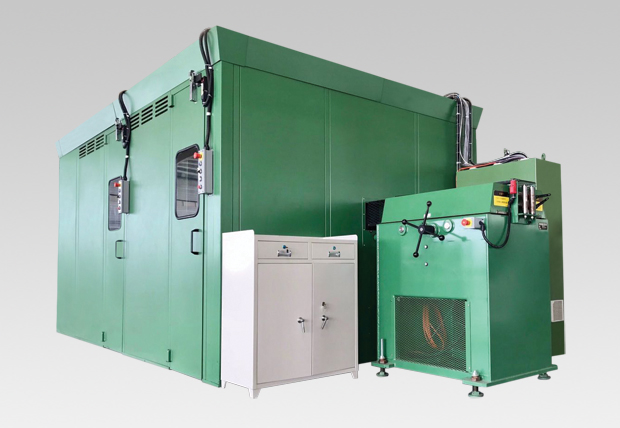
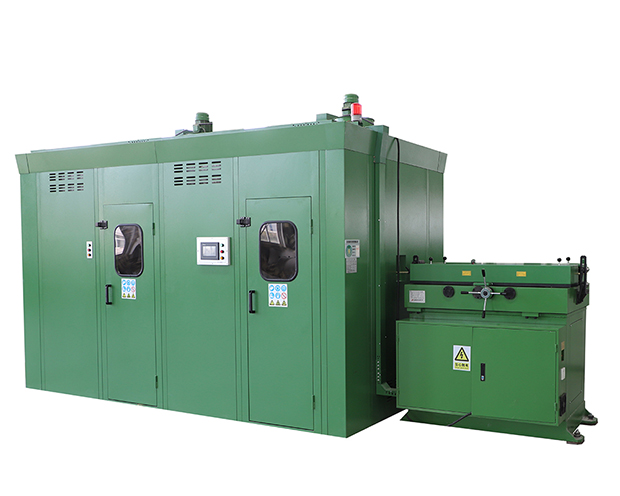
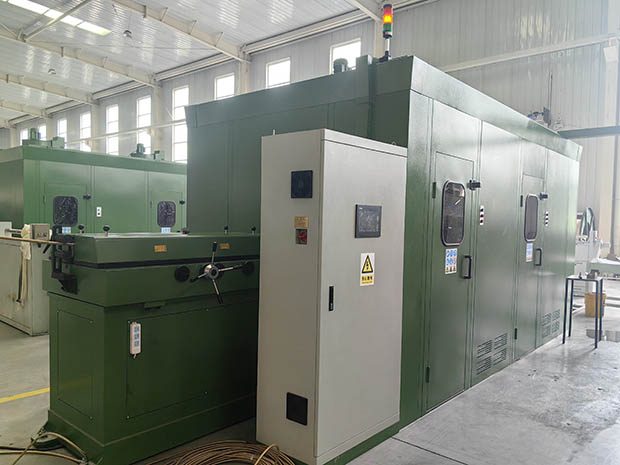
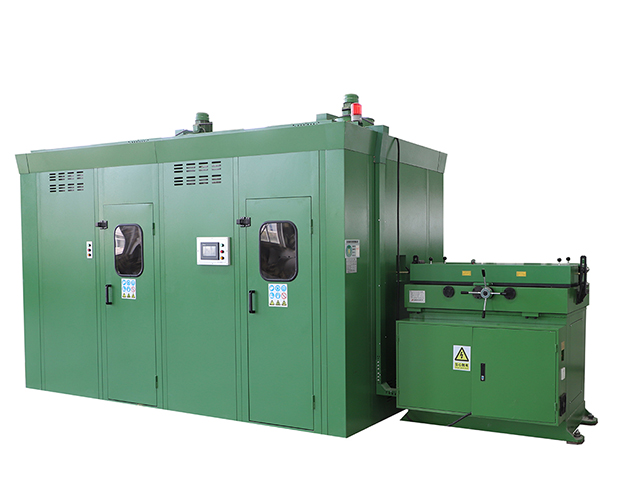
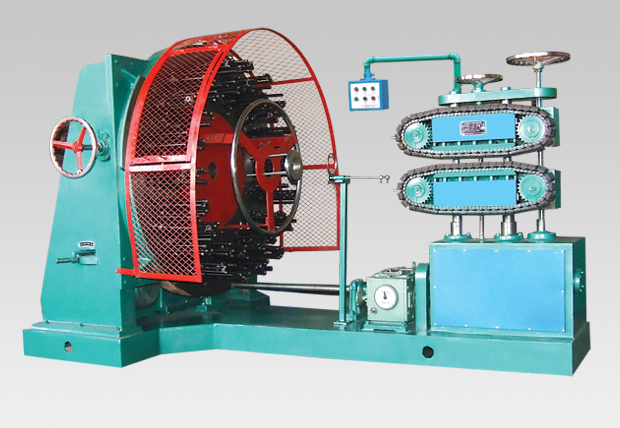
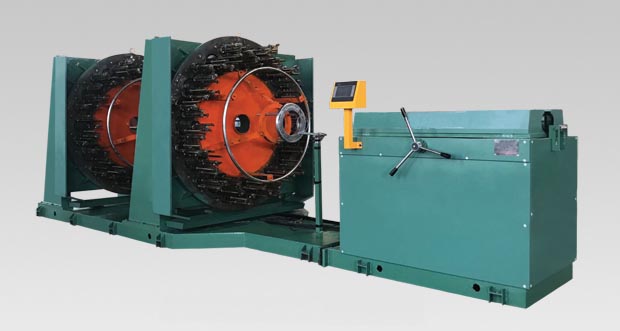
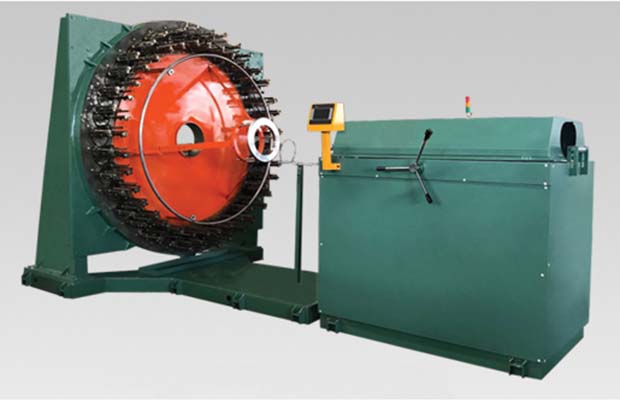
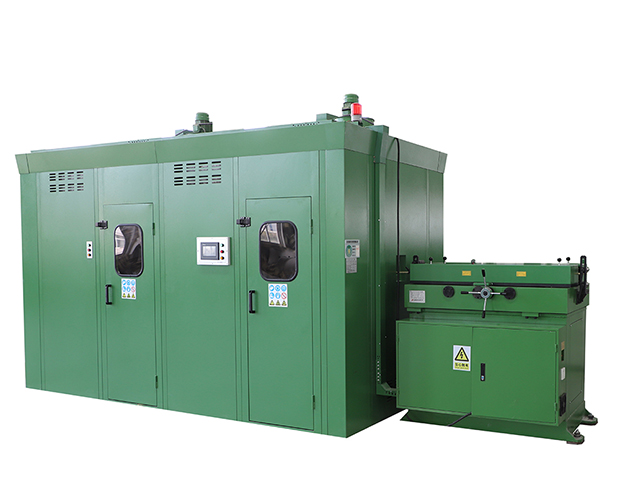
A wire braiding machine for rubber hose is a specialized industrial piece of equipment designed to weave high-strength wire (usually steel or stainless steel) around a rubber tube. This process provides the hose with the structural integrity needed to handle high internal pressures, vacuum conditions, and external physical wear. The machine operates on a "Maypole" principle. Spools of wire (carriers) move in a serpentine path around a central axis through which the rubber hose is being pulled.
The machine operates on a rotary or Maypole system. The inner rubber tube (the core) is fed through the center of the machine while multiple bobbins of wire rotate around it.
The Carriers: These hold the wire bobbins. They move in a complex, interlocking path—similar to dancers in a Maypole dance—crossing over and under one another.
The Mandrel: For many high-precision hoses, a rigid or flexible mandrel is inserted into the rubber tube to maintain its shape and diameter while the wire is tightly woven around it.
Tension Control: This is the most critical part of the process. If the tension isn't uniform, the braid will be loose or uneven, creating weak spots in the hose.
Pay-off Stand: Where the raw rubber hose is unwound.
Braiding Head: The heart of the machine where the bobbins are located and the actual weaving occurs.
Caterpillar Haul-off: A pulling mechanism that ensures the hose moves through the machine at a constant speed, which determines the "pitch" or angle of the braid.
Take-up Reel: Where the finished, reinforced hose is wound back up.
Pressure Resistance: It allows the hose to withstand thousands of PSI (pounds per square inch).
Durability: The wire layer protects the rubber from external abrasions, cuts, and environmental wear.
Flexibility: Unlike a solid metal pipe, a braided hose remains flexible enough to be routed through tight spaces in machinery.
Static Dissipation: In some applications, the metal braid can act as a ground to prevent the buildup of static electricity.
Single Layer: For standard high-pressure applications.
Double Layer: For extremely high-pressure systems where a single layer of wire isn't sufficient.
Wire Spiral: A different technique where wires are wrapped in parallel spirals rather than a weave; this is often used for the highest pressure ratings (like heavy construction equipment) because it handles impulse pressure better than a traditional braid.
| Wire braiding machine Wire stranding machine Wire winding machine Hose Wrap Unwrap System Fiber braiding machine Cable braiding machine |