
 |
 |
 |
 |
 |


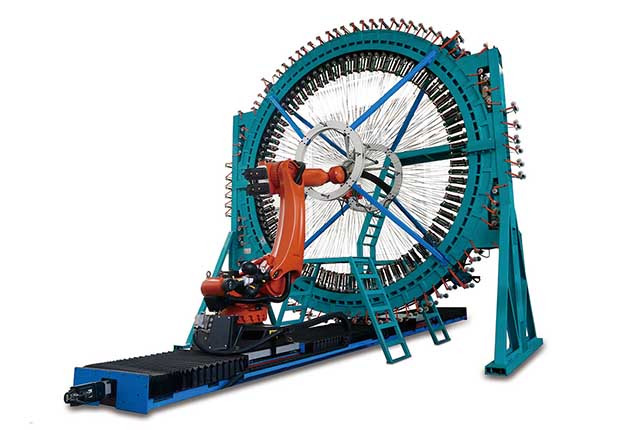
Composite braiding machine
Composite braiding machine
Overview Of Composite braiding machine:Composite braiding is a manufacturing process that interlaces three or more yarns or fibers to create a seamless, integrated fabric structure, which is then combined with a resin matrix to form a high-strength composite part. Unlike traditional weaving (where fibers are interlaced at 90-degree angles), braiding allows for continuous, intertwined fibers that can follow complex, curved geometries. This creates a "sleeve" or "sock" of material that provides exceptional structural integrity. Highlights Of Composite braiding machine:
Composite braiding Primary Applications and Fields Aerospace: Engine containment rings, structural frames, and fuselage stiffeners. Automotive: A-pillars, roof rails, drive shafts, and crash-absorbing structures. Medical: High-strength catheters, prosthetic limbs, and orthopedic implants. Sporting Goods: Hockey sticks, bicycle frames, tennis rackets, and golf club shafts. Industrial: High-pressure pipes, robotic arms, and specialized hoses.
|

|